First Impressions
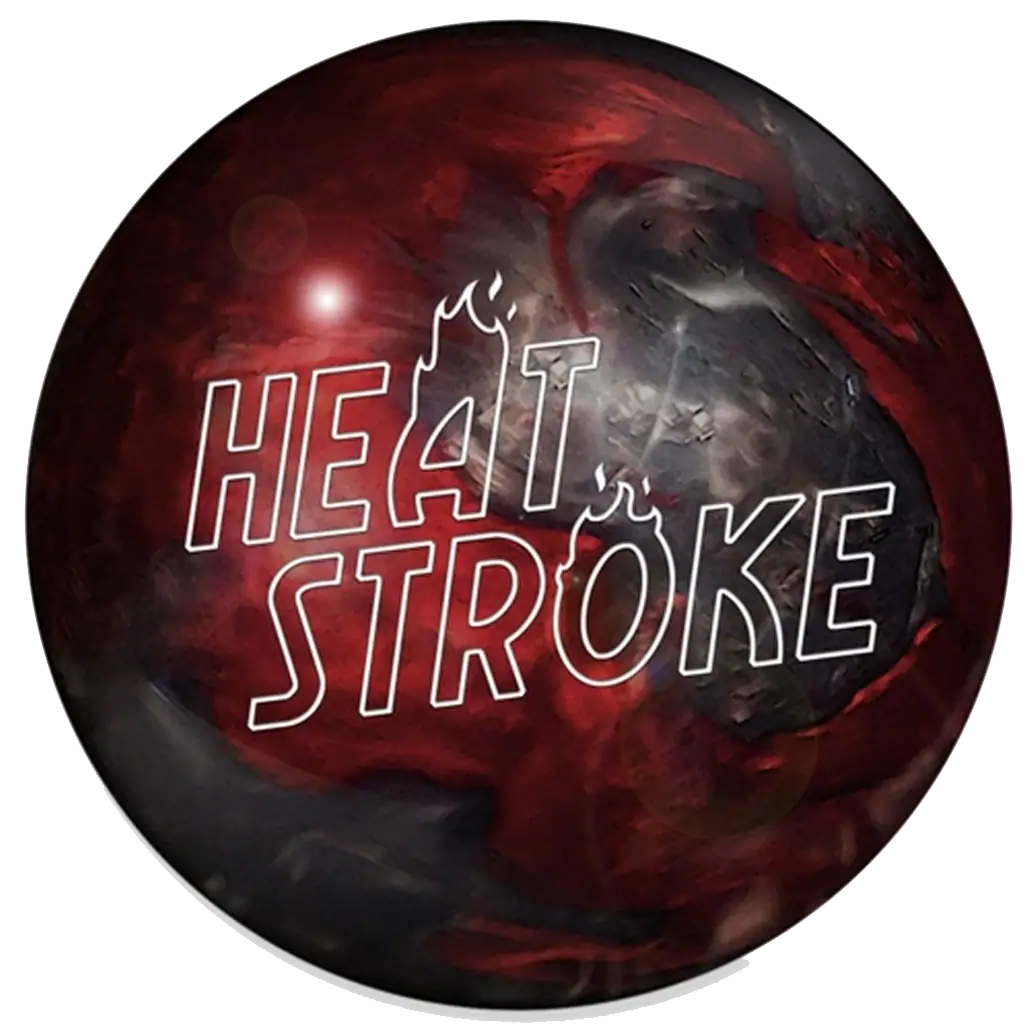
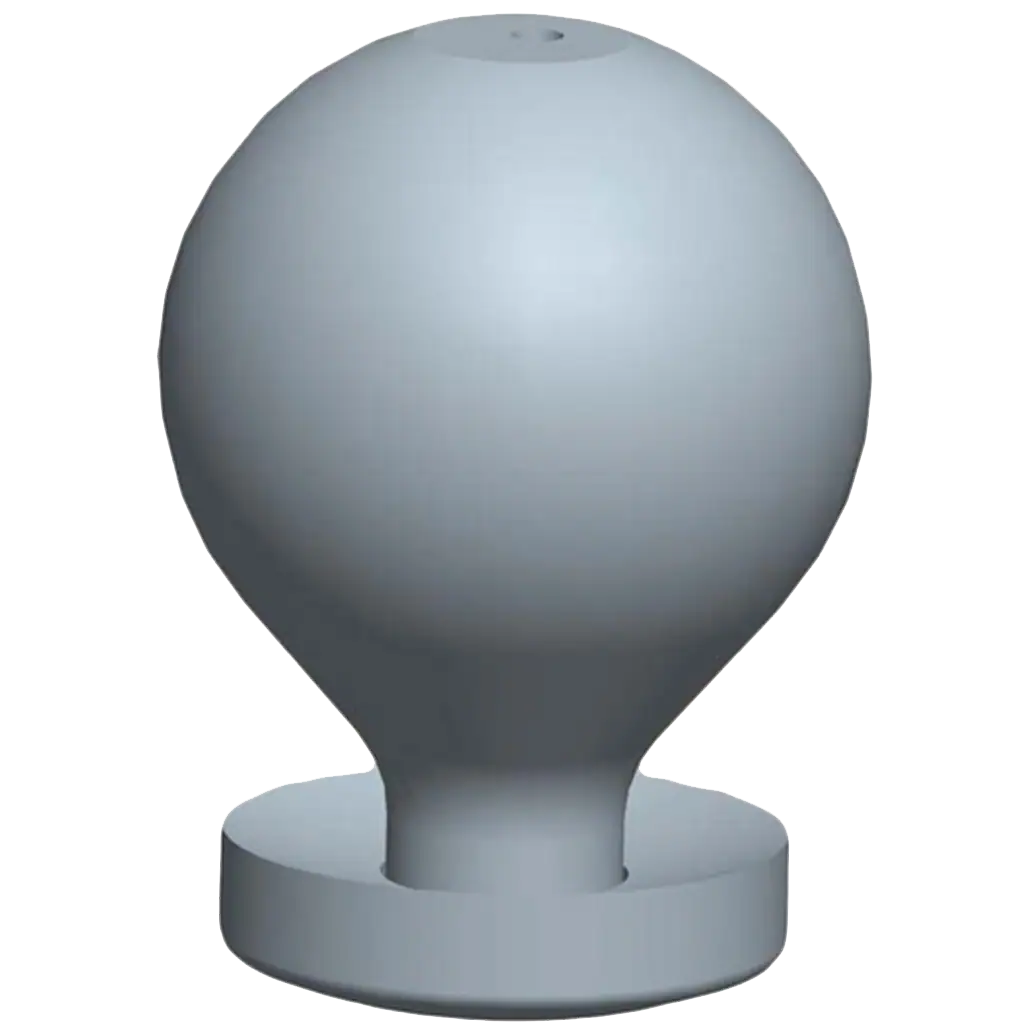
Released in 2013, the AMF Heat Stroke is a standout entry in the modern "mid-performance" class under the AMF 300 label (by that time already closely tied to 900 Global). Visually, the ball lives up to its name: it comes in a fiery mix of orange, gold and silver, giving it an aggressive, "hot" look on the lane. Technically, it builds on the immense success of the earlier "Hype" and "Heat" lines. Inside works the proven symmetric "Heat" core, which provides a high RG and a moderate differential. That core is wrapped in the F74 Hybrid Reactive shell. This combination of hybrid cover and rev-friendly core, polished to 1500-grit at the factory, was designed to generate length through the heads and to show an explosive but controllable reaction at the breakpoint.
Comparison
Compared directly to its legendary predecessor, the AMF Hype, the Heat Stroke offers more versatility thanks to its hybrid shell (instead of a pure pearl). It reads the midlane a bit earlier and more stably than the Hype, but keeps that characteristic backend snap. Set against the market leader in this segment at the time, the Storm Hy-Road, the Heat Stroke often behaved very similarly: it delivered that sought-after "skid-flip" reaction, but was frequently positioned at a more attractive price ("bang for the buck"). Next to stronger balls in the 2013 AMF lineup, such as the "Mind" series, the Heat Stroke looked noticeably cleaner and less early-rolling. It was the ball you pulled out of the bag when the big solids started to lose energy.
On the Lanes
The AMF Heat Stroke is an excellent tool for medium to light oil conditions as well as for the transition phase in league play. Its strength lies in getting through burned-up heads effortlessly without losing energy, while still generating enough friction in the dry to turn the corner with authority. It is ideal if you're looking for a ball that opens up the lane once the oil pattern breaks down. For rev-dominant players (two-handers or high-rev one-handers) it is often a perfect benchmark ball on house shots, because it doesn't start up too early. On heavy oil or very long patterns, however, it reaches its limits, since it lacks traction there and often slides too far (over/under).