First Impressions
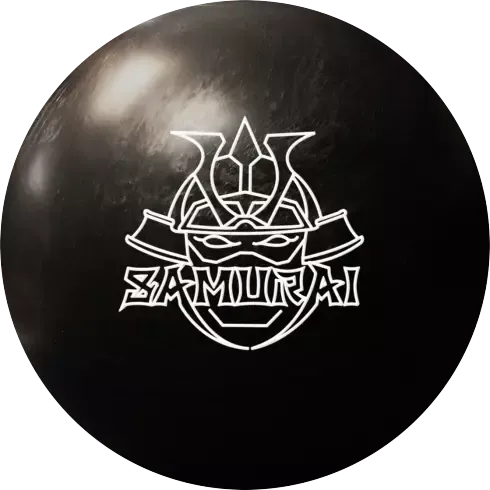
The Visionary Samurai was released in November 2013 as a strong-performing complementary ball for the mid-range segment. Visually, the model stands out with a deep black Black Pearl coloration based on the proven React-A-Tack Pearl coverstock. Technically, Visionary relies here on the asymmetric Classic Core, known for its reliability and versatility. In a 15-pound ball, the specs list an RG of 2.51 and a differential of 0.050, complemented by an intermediate differential of 0.007. Out of the box, the surface comes in a 1500-grit polished finish, which at first glance already promises plenty of glide through the heads and a pronounced backend reactivity. The combination of the smooth surface and the proven core should allow for a controlled yet energetic move to the pin deck.
Comparison
Compared directly to the original Visionary The Classic, the Samurai shows a noticeably longer skid phase before it starts its direction change, thanks to the pearl version of the cover. While the Classic is known for reading the lane earlier, the Samurai pushes the breakpoint further down the lane. Against contemporary competitors such as the Storm Phaze II, the Samurai offers a less aggressive midlane reaction, since its pearl surface is designed to get past friction in the front part of the lane. Compared to an Ebonite Cyclone, however, the Samurai shows more stable dynamics through the transition and a stronger drive into the pocket thanks to the asymmetric core. It therefore sits between extreme backend balls and controlled benchmarks, offering more backend potential than a Motiv Venom Cobra but generating less overall hook than a Storm Lucid.
On the Lanes
The Visionary Samurai finds its ideal use on lanes with medium oil volume, particularly when the heads are already showing signs of transition and duller balls react too early. It is especially suited if you need a clean move through the first boards without giving up an energetic backend hook. Strokers benefit from the additional length the React-A-Tack Pearl cover allows, while tweeners can use the ball to move deeper into the lane as the oil volume decreases and hit the pocket with a steeper entry angle. On very high oil volumes, however, the surface may lack sufficient friction, which is why it is primarily considered an excellent option for typical house shots or for play on broken-down patterns. Thanks to the asymmetric core characteristics, carry stays at a high level even at moderate entry angles, making it a reliable companion for long tournament days.